How to and Technologies
A lighting system is efficient when it is measurable. Data, KPIs, and remote control systems enable continuous monitoring, analysis, and optimization — turning lighting into an intelligent, connected, and manageable system.
Read more
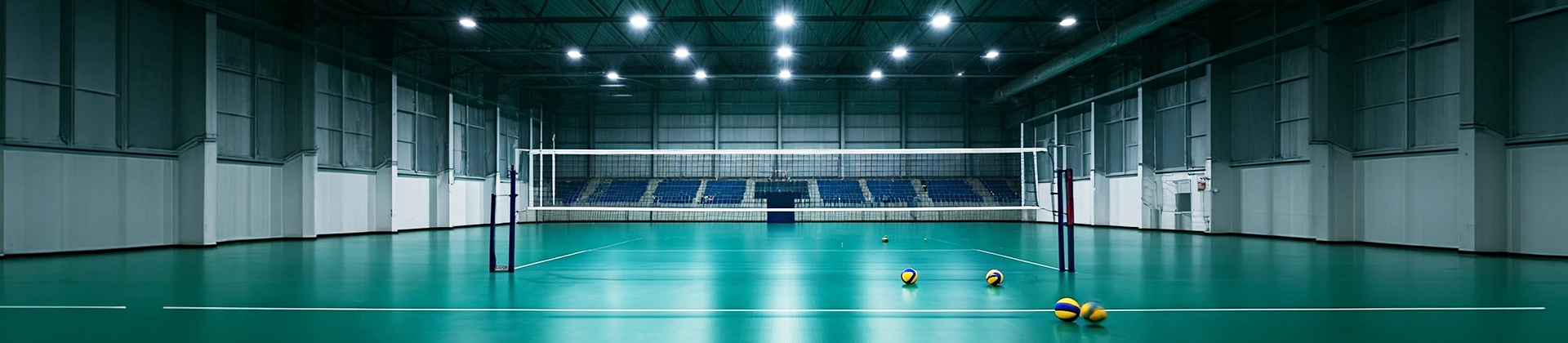
In sports facilities, lighting is more than a technical requirement — it directly affects performance, comfort, and safety. In this interview, Antonio Zanetti discusses the impact of LED technology, key design considerations, and the challenges of upgrading lighting systems, particularly in small and medium-sized facilities.
Read more
The GDS laboratories, a strategic hub for innovation, testing and certification, drive the development of reliable, compliant professional LED lighting solutions. We spoke with Nicola Villan, Head of GDS Laboratories, to explore their role and impact.
Read more
GDS Lighting's Zhaga-compatible CAT-M1 nodes enable each lighting fixture to connect directly to the cellular network without dedicated gateways. This open, interoperable, and scalable solution simplifies adaptive lighting and enhances the efficiency and sustainability of public lighting management.
Read more
Hospital lighting requires compliance with specific legal requirements, which exist in order to meet the needs of all types of users and workers. Technology can help make compliance with regulations and other important objectives such as energy savings and efficiency easier.
Read more
School architecture is considered a "third educator," and lighting is a key element of it for student well-being and learning. So let's find out what are the goals to be pursued and the rules to be followed in designing proper lighting in schools.
Read more
The lighting calculation for an industrial shed is performed through the examination of a number of parameters useful for classifying the entire application space.
Read more
LED lighting solutions are capable of providing energy savings and improved visual comfort, while also ensuring reduced maintenance costs.
Read more
Lighting calculation is done by examining a series of parameters useful for classifying the application space. The methods to be applied are different depending on the design lighting objective to be achieved.
Read more
The design of industrial lighting requires a careful balance between technology, performance, and costs, integrating aesthetic and functional aspects. It is crucial to consider key parameters such as performance, visual comfort, safety, efficiency, and sustainable return on investment to avoid significant long-term maintenance expenses.
Read more