Lighting system management is becoming increasingly data-driven.
In complex environments, the quality of luminaires alone is no longer enough to ensure efficiency, sustainability, and operational control. What’s needed is the ability to continuously measure, analyze, and manage performance.
Data and KPIs transform operational information into actionable insights, while remote control and management platforms enable real-time data collection and use in operations.
In this context, the measurability of lighting systems becomes the basis for more efficient management. It allows inefficiencies to be identified, operating parameters to be optimized, and interventions to be planned with greater precision.
This approach redefines the role of lighting, making it an integral part of a connected, digital, and fully manageable system.
Lighting systems — both indoor and outdoor — have traditionally been managed through fixed schedules based on on/of switching and planned maintenance.
Within this model, operational visibility was limited, anomalies were detected only after they occurred, and decisions were often based on estimates rather than real data.
The rise of connected lighting solutions has fundamentally changed this model. Today, it is possible to collect continuous, granular data on system performance, turning every light point into a source of information.
Data is not just about understanding what is happening, but also about deciding what to do next.
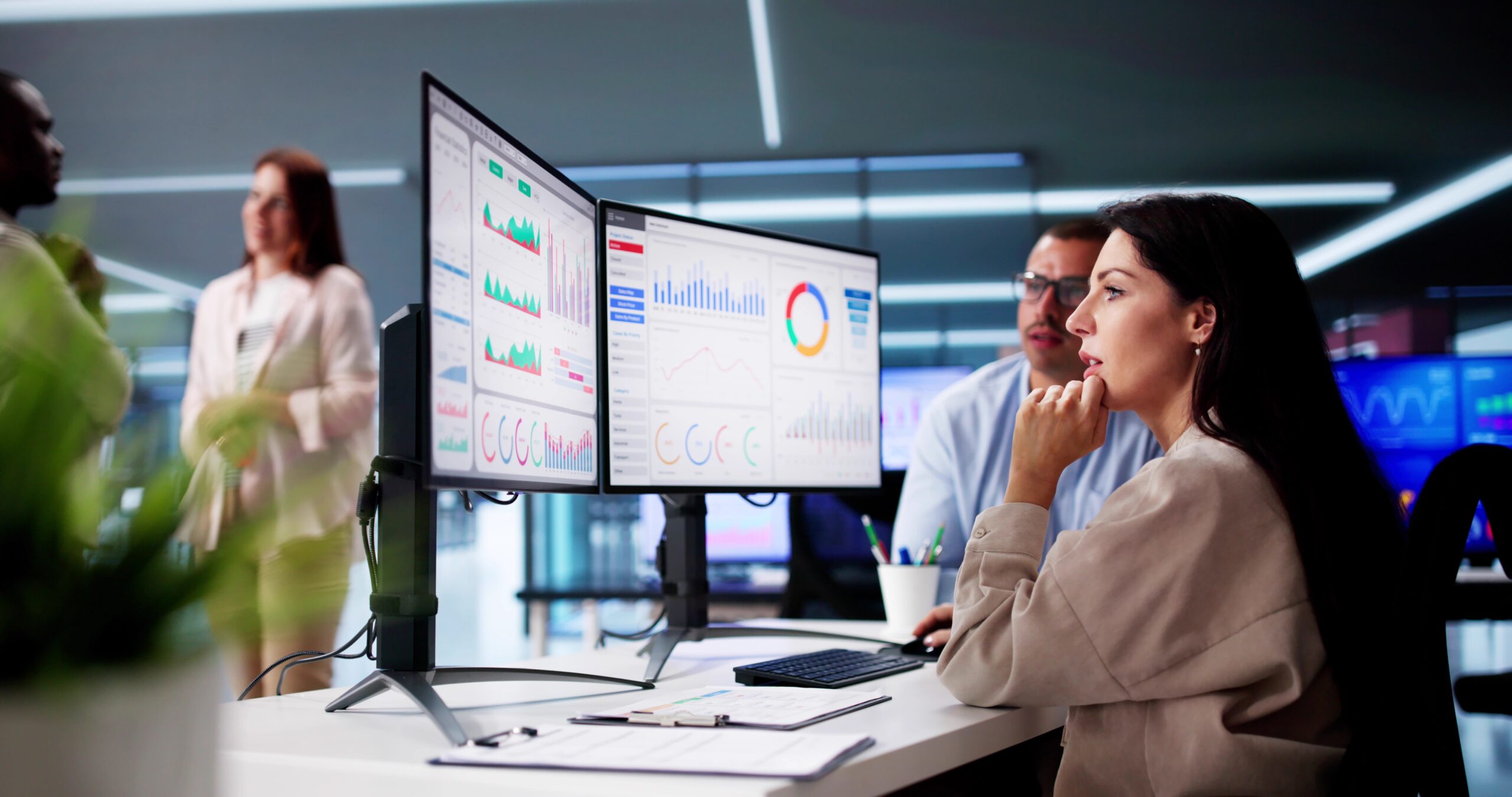
A measurable lighting system enables real-time monitoring of luminaire status, detection of anomalies and inefficiencies, analysis of usage patterns, and optimization of operating parameters.
It supports both operational and strategic decisions.
In this way, lighting shifts from being an operational cost to becoming a lever for optimizing system management and optimization. However, data collection alone is not enough. It must be translated into KPIs (Key Performance Indicators) that provide an objective assessment of system performance.
Key indicators include:
- luminaire status and availability
- operating hours
- frequency of anomalies
- maintenance interventions
- usage levels across different time slots
These metrics enable more informed management, based on evidence rather than assumptions.
The true enabler of measurability lies in remote control and management systems for lighting networks. Through these platforms, it becomes possible to:
- collect data continuously and centrally
- monitor the status of the entire system
- remotely adjust operating parameters
- adapt the system to actual usage conditions
Solutions such as SkylarkNet are designed to manage lighting networks through a single interface accessible from any device. Such platforms integrate data, control, and analytics, turning lighting into an active component of the digital ecosystem.
When a system is measurable, continuous improvement becomes possible.
Efficiency and sustainability move from stated goals to tangible, verifiable outcomes — achieved through optimized usage cycles, reduced waste, predictive maintenance, and longer system lifespan.
Data, KPIs, and control platforms make it possible to move beyond traditional management models and build intelligent systems that can adapt, evolve, and improve over time.
In a data-driven approach, lighting is no longer just a technical infrastructure, it becomes a strategic information system, supporting efficiency, sustainability, and the overall environmental quality.