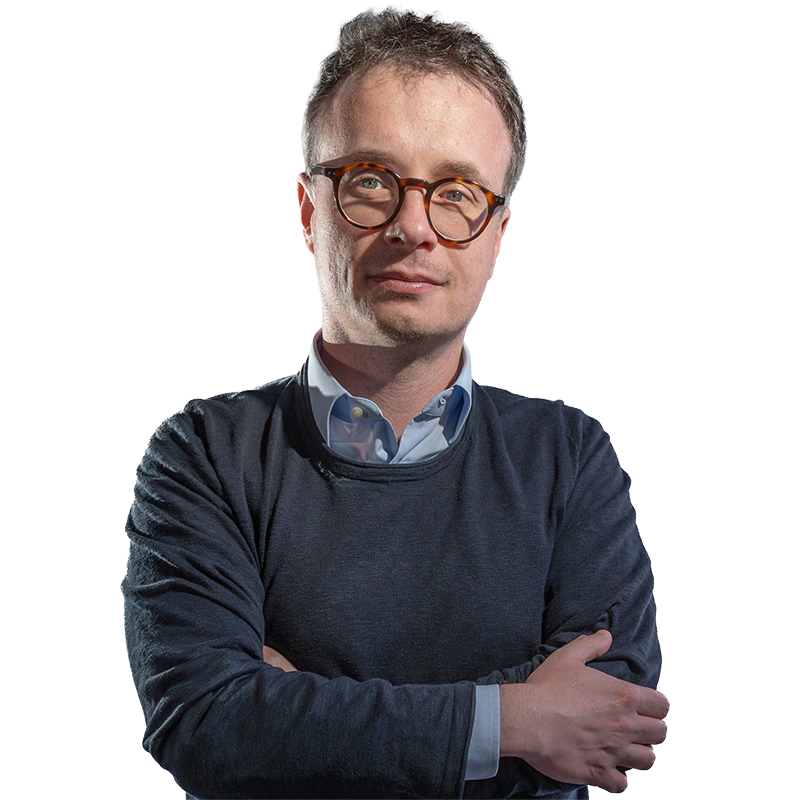
Published in the March issue of LUCE, this interview with Filippo Cariolato, Head of Lighting Division at GDS, is republished here for its contribution to the debate on innovation in the lighting sector.
The conversation explores the role of new technologies and adaptive systems, as well as the relationship between business and education and the collaboration with public bodies and technology partners in the evolution of the sector.
My entrepreneurial journey has taught me that innovation does not mean introducing something new, but rather having the courage to change your perspective before circumstances force you to do so. It is a cultural choice, not a technical one.
It means accepting a certain degree of discomfort, questioning what has worked until now, and recognising that the real competitive advantage stems from the ability to adapt more quickly than others. This approach is particularly relevant today in the world of lighting.
This sector has been thinking in static terms: projects designed once, predefined light levels, and solutions that were not meant to change.
These days, this model just doesn’t work anymore. Real innovation is not about adding complexity, but about rethinking how light behaves over time.
The technologies available today allow us to rethink the functioning of light in a simpler and more effective way. Control and connectivity systems enable adaptive lighting that responds to real-life situations—presence, activity, time of day, and environmental conditions.
This is not a futuristic vision, but concrete and reliable tools already ready for large-scale deployment. Light thus becomes a resource that activates when needed, in the right amount, avoiding waste and rigidity.
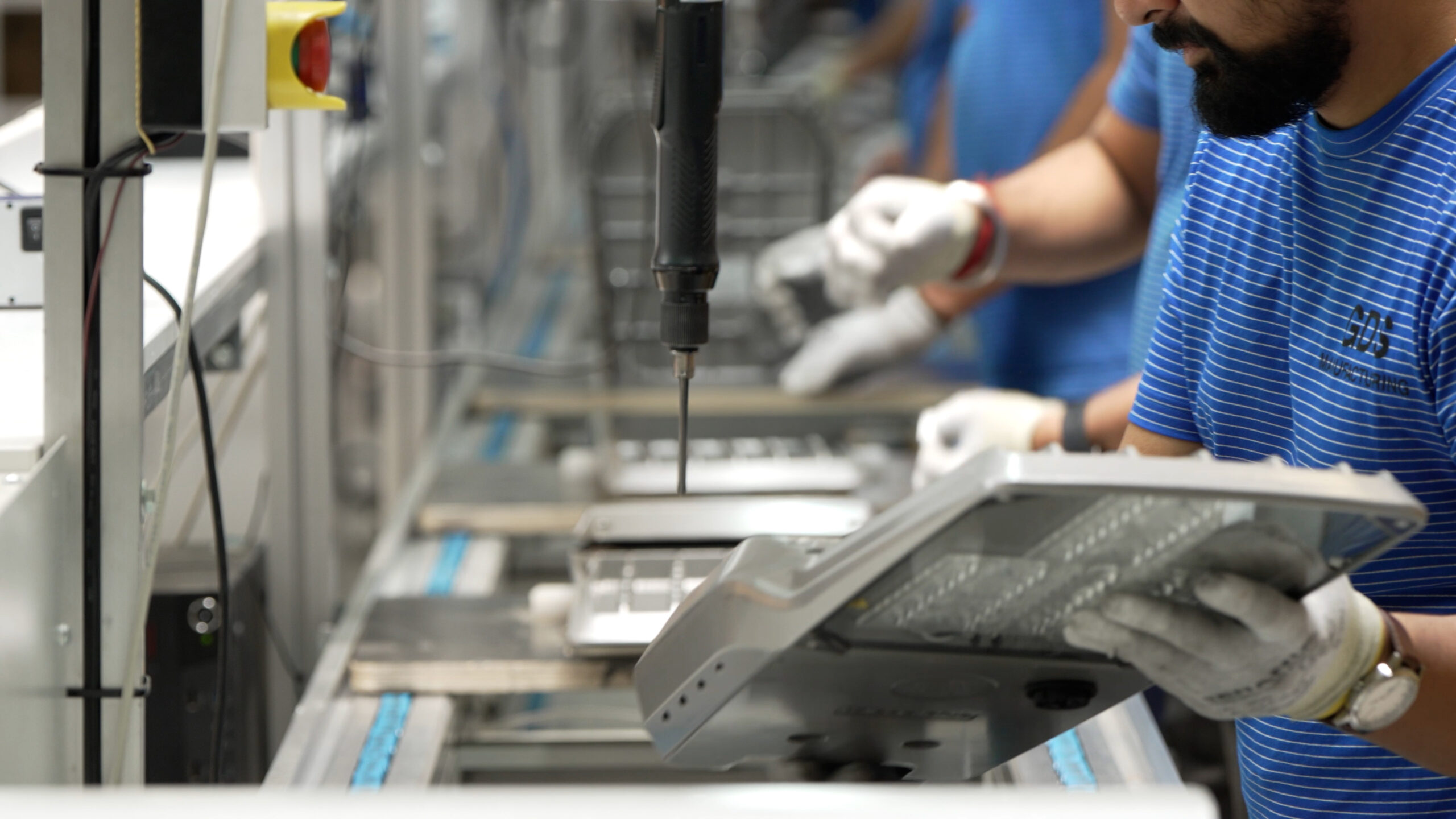
The real breakthrough is that this intelligence is now accessible. Managing adaptive systems does not mean increasing complexity for designers or managers, but rather simplifying things. Energy efficiency, maintenance, and the ability to evolve over time become natural consequences of a smarter approach, not separate goals to chase.
The involvement of people and the local community is essential. Relationships with schools cannot be episodic or confined to traditional education—they must be directly and concretely woven into the life of the company.
Schools represent the first point of contact between the local community and the future of work. When this connection becomes structural, it forces companies to question themselves, simplify language, clarify processes, and make technological choices more understandable. This interaction is not always convenient, but it is extremely effective.
Once schools and businesses come together, the local area ceases to be a backdrop and becomes a platform for experimentation. Solutions are not conceived in the abstract, but respond to real contexts and concrete needs, while skills are developed through collaboration.
In this sense, innovation is not something imported from outside, but something built locally and then replicated.
The initiative taken by GDS, together with other local businesses, to create an ITS dedicated to technical and technological skills is a decision strongly supported by our family of entrepreneurs.
We believe that the link between business, education, and the local community must be structural and ongoing. Investing in this type of training programme is a concrete way to contribute to the growth of local skills, creating the conditions for innovation, employment, and development to evolve together over time.
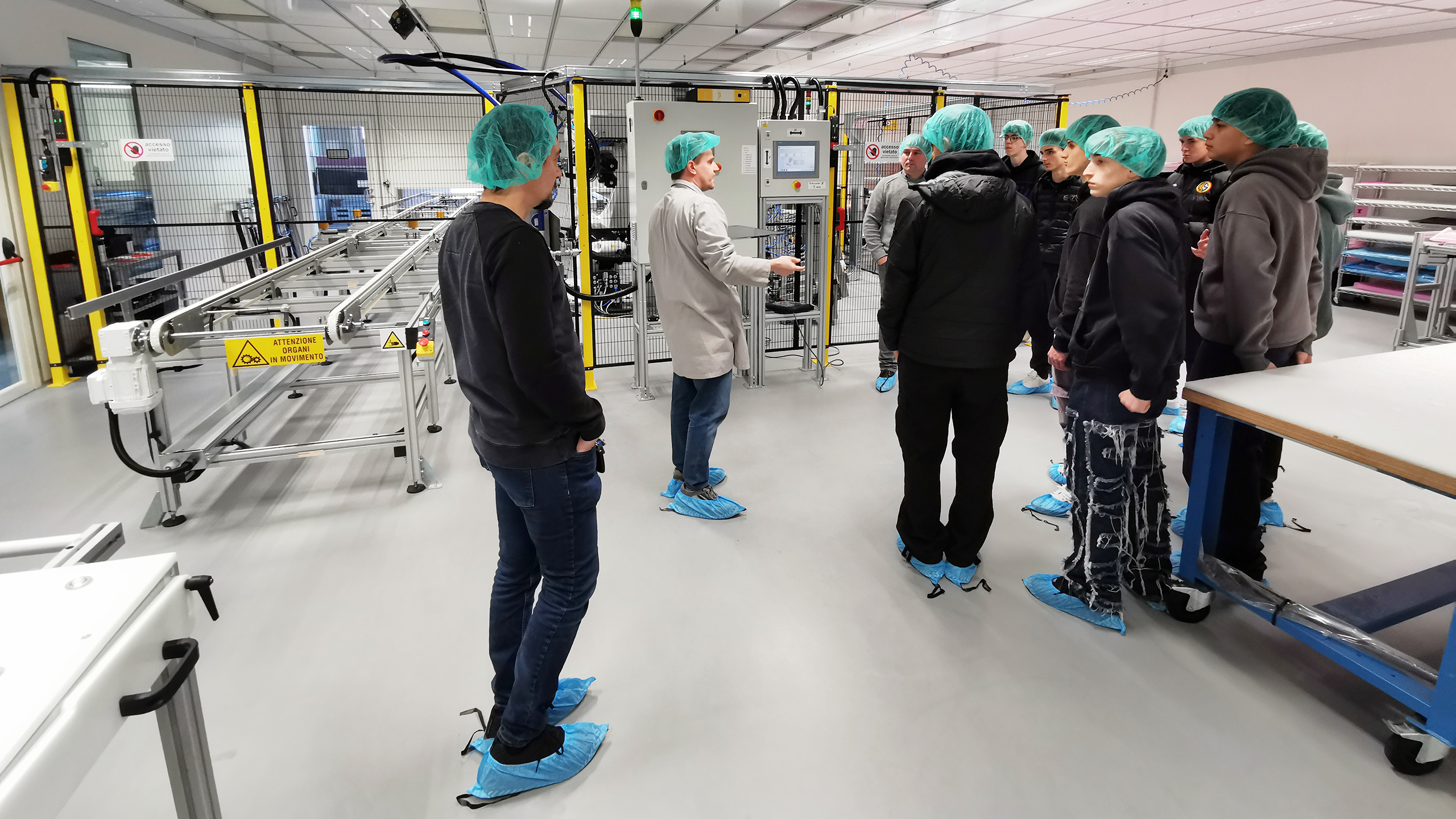
The evolution towards modular, efficient lighting systems that are easy to maintain and integrate with smart logic is also a responsible environmental choice.
Designing solutions that can adapt over time means reducing waste, extending system lifespan, and minimising invasive interventions. It is a pragmatic way to approach sustainability, starting from how systems actually function rather than from abstract declarations.
Collaboration with public bodies and technological partners plays a fundamental role in testing advanced lighting models. The company is actively involved in development and experimentation programmes, including those promoted at institutional level within the framework of the “Accordi per l’Innovazione” supported by the Italian Ministry of Enterprises and Made in Italy.
These initiatives make it possible to turn innovation into a concrete, measurable process shared with the local community.
Looking to the future, the real challenge will not be to create increasingly complex systems, but to make lighting more capable of adapting to rapidly changing contexts.
Innovation will mean removing rigidity, eliminating waste, and building solutions that can evolve over time. In this sense, light becomes an intelligent and responsible tool—not because it is technologically advanced, but because it is designed to last, adapt, and create real value for people and communities.
Filippo Cariolato, Head of Lighting Division at GDS.