SkylarkNet, the advanced GDS system for the remote management of Smart City infrastructures, is now expanding into a new domain: indoor lighting control.
To explore this development, we interviewed Francesco Gregoris, Business Developer at GDS Lighting.
SkylarkNet is the digital platform developed by GDS for intelligent management and remote monitoring of lighting systems. It belongs to the broader family of lighting control systems but stands out for several key technological features that are becoming even more distinctive today.
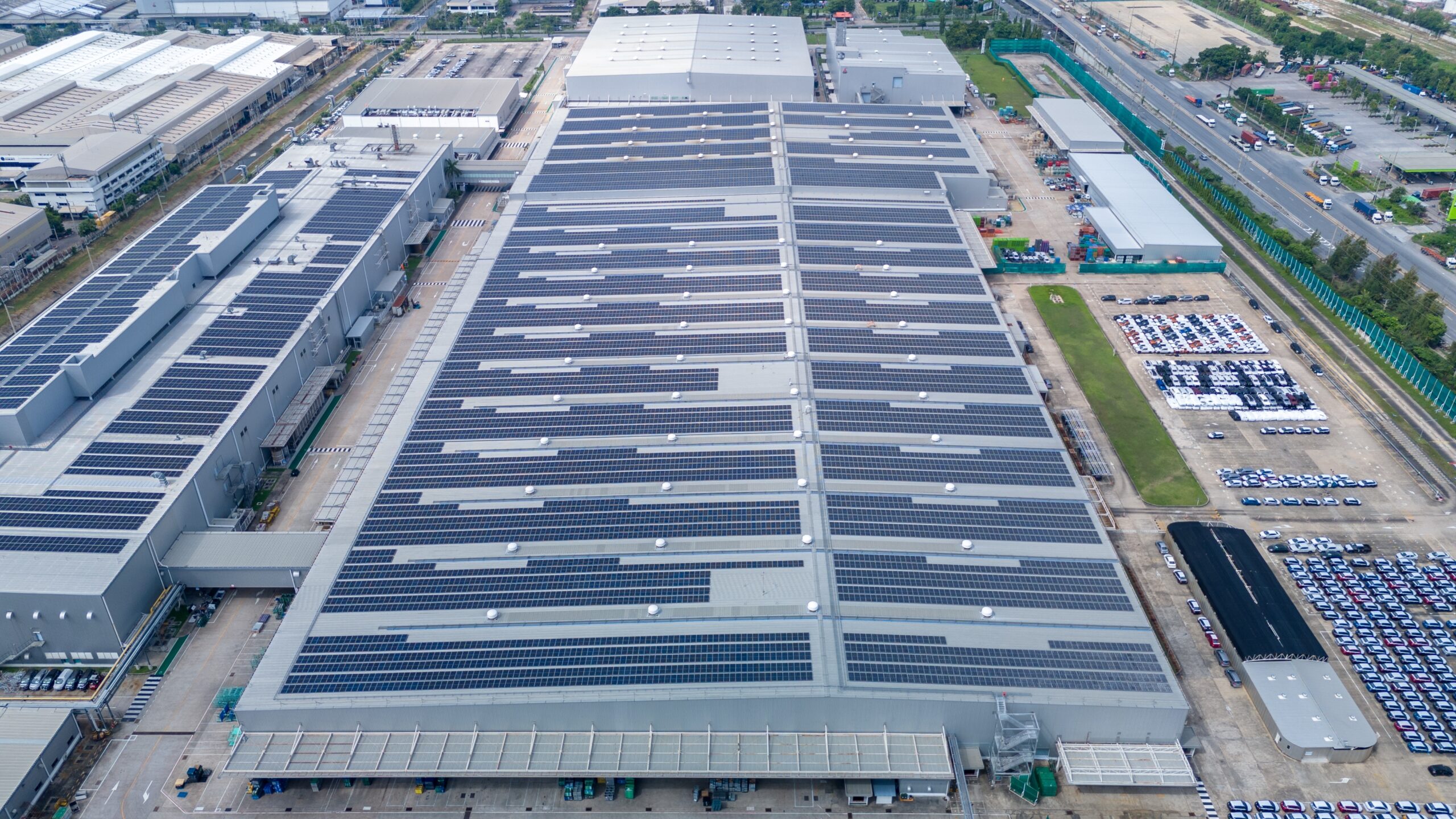
Until now, SkylarkNet has been used primarily for the supervision of outdoor systems — industrial areas, logistics hubs, parking lots, and public spaces — enabling point-to-point control of luminaires, time-based scheduling, and real-time energy data collection.
The platform was conceived as a smart lighting tool for large outdoor environments, with a long-term vision of expanding its scalability across the entire energy infrastructure of managed sites.
The extension of SkylarkNet to indoor environments makes it possible to centralize the remote control of both indoor and outdoor lighting within a single platform.
The benefits are substantial:
- centralized remote management of all luminaires, with options for dimming, customized lighting scenes, and automated switching;
- reduced operational costs through real-time monitoring of device status and predictive maintenance;
- integrated energy analytics enabling correlations between consumption, space utilization, and personnel presence;
- scalability: the system can be extended to multiple buildings or departments without modifying existing infrastructures.
In essence, SkylarkNet brings the same logic of smart control and data intelligence that has already proven effective in outdoor installations into the indoor lighting domain.
The impact is twofold: operational and environmental.
Operationally, SkylarkNet enables dynamic optimization of energy consumption by adjusting light levels based on occupancy, natural light availability, and production shifts. This results in energy savings of up to 60–70% in industrial and logistics environments, as demonstrated by data collected from completed projects.
From an environmental perspective, the system reduces indirect CO₂ emissions and supports companies in achieving their ESG targets by providing measurable, traceable data for sustainability reporting.
The platform also allows performance measurement and certification — an increasingly important requirement for accessing tax incentives related to energy efficiency projects.
The main challenge was ensuring the same level of reliability and scalability achieved outdoors in more complex indoor environments such as warehouses, manufacturing plants, and large logistics centers, where metal structures and physical obstacles may weaken wireless communication.
To address this, we integrated presence and light sensors using communication protocols directly connected to SkylarkNet, eliminating the need for third-party systems.
The result is a fully integrated solution suitable for both relamping projects and new installations.
SkylarkNet is currently compatible with the full range of GDS Lighting solutions for industrial and logistics environments, including:
- High Bay series for high-ceiling installations;
- LTS series for aisles and shelving systems;
- solutions for offices and technical areas.
All luminaires can be supplied with integrated wireless modules and environmental sensors, configured directly through the platform.
The long-term goal is to progressively extend compatibility across the entire GDS Lighting portfolio, making SkylarkNet the digital core of our product ecosystem.
Integration was a priority from the outset.
SkylarkNet can interface with existing systems via dedicated gateways and supports progressive relamping projects, allowing companies to digitalize existing installations without large-scale replacements.
Each client can customize:
- lighting control logic and scheduling based on shifts and operational areas;
- monitoring dashboards with tailored KPIs (energy consumption, operating hours, savings);
- notification and maintenance policies, adapting the system to their internal processes.
In this way, SkylarkNet becomes not only a remote lighting control platform but a tailored energy-management tool capable of evolving with the customer’s needs.
Francesco Gregoris, Business Developer at GDS Lighting.